
Who Owns the Improved Upon Property?
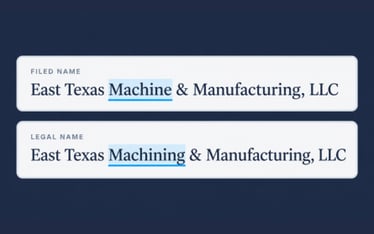
In Owner Roulette: Avoid Construction Lien Headaches, authors Roy E. Wagner & Christopher T. Koehnke (“authors”) reviewed a recent Wisconsin court decision where the lien claimant “incorrectly” identified the owner within its lien. At least, that was the owner’s attempted defense.
The Case in a Nutshell
Here’s a quick look at the case:
“Bayland Buildings (“Bayland”) filed a construction lien against Siren Saukville, LLC (“Siren”), the party that Bayland believed to be the owner of the project under the terms of its construction contract. However, Siren had in fact been bought out by Spirit Master Funding VIII, LLC (“Spirit”), and Spirit was then the actual owner of the project at the time Bayland filed its construction lien.”
Ultimately, Spirit argued Bayland’s lien was invalid, because the lien identified the incorrect owner. Fortunately, the Court of Appeals determined Bayland’s lien was valid and enforceable, because Bayland did not receive constructive notice that the property ownership had changed.
How to Identify Property Owner
The case is interesting, but what I found to be of greater interest are the authors’ suggestions on how to ensure the property owner is properly identified.
The authors suggest claimants could confirm property ownership via the Register of Deeds or obtain a title report letter from the title company. I will add, ownership information may also be obtained from the County Assessor, and many counties make searchable data available online.
What other suggestions do the authors provide? Check the municipal tax records. “While this may be a less reliable way to get information regarding real estate ownership, checking the most recent municipal tax bill records will at least provide a contractor with ownership information as of the end of the most recent tax year.”
Plus, monitor all communication including change orders.
“Obviously change orders can vastly change the scope or price of any construction project. However, they may also provide a contractor with constructive notice of a change in ownership or even impact lien rights. To the extent that change orders are issued and a contractor is asked to sign a “Partial Waiver of Construction Lien,” a contractor needs to be aware that signing such a waiver may impact the ability to foreclose on a lien and obtain a monetary judgment for the full amount that is owed, or even provide constructive notice regarding a change in ownership.”
Best Practice
Don’t guess! Take the time to confirm property ownership, and if applicable, serve the registered agent for the owner.
Lien Index Q4 2025
Explore lien filing trends and insights from Q4 2025 to stay informed on construction credit and payment activity across the U.S.
What Is a UCC Termination and How to Avoid Costly Errors
Understand UCC Terminations, UCC-3 filings, who can terminate, and common errors that can wipe out security interests and payment priority.
Serve Preliminary Notices via Certified Mail
We always recommends serving preliminary notices via certified mail with return receipt requested. The additional cost to add “return receipt” is significantly less than potential court costs & time...