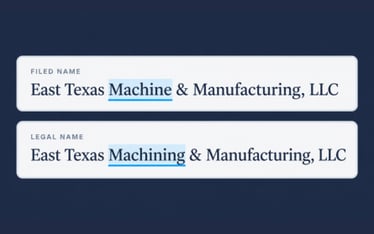

How Can Creditors Protect UCC Filings from Name Changes?
If a name change by a debtor makes a filed financial statement “seriously misleading,” UCC Section 9-507(c) states the financing statement will only be effective for collateral acquired prior to the name change or within four months following the change.
This rule applies even if the creditor has not received actual or constructive notice of the name change from the debtor.
A creditor can prevent a UCC from becoming unperfected on collateral acquired beyond this four month window by filing an amendment to the financing statement with the new business name of the debtor.
The Case
Gugino v. Wells Fargo Bank Northwest (In re Lifestyle Home Furnishings, LLC), demonstrates the consequences of failing to monitor a debtor’s name change. In Gugino v. Wells Fargo Bank Northwest, Wells Fargo Bank Northwest (“Wells Fargo”) provided a secured loan to Factory Direct LLC (“Factory”) and to perfect its security interest, Wells Fargo filed a UCC-1 Financing Statement.
On May 7, 2007, approximately three and a half years after the filing of the UCC to perfect Wells Fargo’s security interest, Factory changed its name to “Lifestyle Home Furnishings, LLC.” Factory did not provide notice of any kind to Wells Fargo and because Wells Fargo was unaware of the name change, it failed to amend its financing statement.
Thirteen months after the name change, Factory filed for Chapter 7 bankruptcy protection. The trustee (Gugino) challenged Wells Fargo’s security interest in an adversary proceeding. The trustee contended that the security interest was unperfected for collateral acquired more than four months after the name change, because the name in the UCC filing was “seriously misleading”.
The court granted the trustee’s motion for summary judgment allowing the trustee to avoid Wells Fargo’s security interest.
The information included in a UCC Financing Statement may change, even after a security interest has been properly perfected, and depending on the nature of the information that changes, a creditor may need to take action to further protect its security interest.
Best Practice
Creditors need to exercise diligence in monitoring debtors for changes of their name and address, not only to maintain a security interest, but because it is imperative to consistently evaluate your risks when extending credit.
How to Secure Credit with UCCs as Default Rates Rise
Learn how to secure credit with UCC filings as business defaults rise, impacting trade creditors and small businesses in a challenging economic landscape.
Differences Between Conditional & Unconditional Lien Waivers
Learn the differences between conditional & unconditional lien waivers, when rights are released, how waiver language & state laws impact enforceability.
Podcast: How Price Escalation Clauses Protect Subcontractors
How do escalation clauses protect subcontractors & material suppliers? Attorney Mark Gryzmala shares contract strategies to manage rising construction costs.