Ask the Credit Overlord, Episode 1: AI Fraud, Data Center Financing and How to Stay Secured
Most of what you’ll read about how AI is changing credit risk is about better software for credit decisions. This episode covers the part vendors skip: the new risk AI is creating. In the first episode of Ask the Credit Overlord, NCS Credit National Account Executive Robert Clark and Thea Dudley, known across the industry as the Credit Overlord, talk through AI-driven payment fraud, data center projects funded in new and complicated ways, rising bankruptcies and the steps credit teams can take to protect themselves.
What You'll Learn
How data center projects and circular financing make it harder to trace who’s funding the job
How payment fraud and AI-written phishing emails are redirecting payments
Why a bankruptcy you’re not part of can still hit your AR
How notices, liens and UCC filings help you stay secured when a customer can’t pay
Key Takeaways
AI is changing credit risk in two ways many credit teams don’t expect. It’s making payment fraud harder to spot, and it’s driving a wave of data center projects funded in complex ways. Both add pressure to a payment chain already strained by rising bankruptcies and late payments in 2026. The answer isn’t to avoid AI. It’s to know where the new risk comes from and secure your receivables before something goes wrong.
Data center projects are large, fast-moving and often financed through layered ownership or circular financing, where capital moves in a loop between investors and companies. That makes it harder to see who ultimately holds the money. Subcontractors and suppliers also face retention and a real cost to carry: lost interest plus the staff time spent tracking and chasing payment. Before you commit, collect owner, lender and GC details and run the math on your full exposure.
AI-written phishing emails no longer have the typos and odd addresses that used to give them away, so a request to change bank account information can look legitimate. Paper checks carry their own risk, including checks stolen from the mail and resold. Treat any emailed request to change payment details as an early warning sign. Verify by phone, train your team and know who’s touching your money.
When a customer files bankruptcy, secured creditors get paid first. Unsecured creditors often get pennies on the dollar, if anything. With bankruptcies rising, secured vs. unsecured can decide whether you recover a balance or write it off. See who gets paid first in our Bankruptcy Payout Priority guide.
Start with due diligence: credit reports, trade references, financials for larger accounts and a LienFinder™ search on the GC. Set a notice threshold and stick to it, because small jobs add up. Serve preliminary notices and be ready to file mechanic’s liens or bond claims. For payment plans and accounts below your threshold, pair a signed promissory note or security language in your credit application with a UCC filing to limit losses.
NCS Credit Helps You Stay Secured
From preliminary notices and mechanic’s liens to UCC filings and commercial collections, NCS Credit has helped credit teams protect their receivables since 1970. Talk to a Credit Ally about building a security program that fits your business.

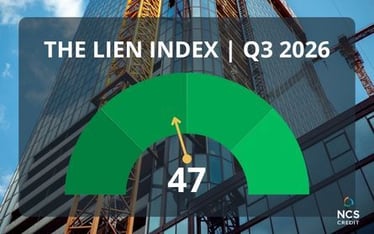
Lien Index Q3 2026
Lien Index Q3 2026 news: mechanic’s lien activity fell to 47, but bankruptcies, costs, and rates point the other way. See what it means for credit risk.

Colorado's New Lien Law: What it Means for Construction
Colorado's excessive mechanic's lien penalty just changed under SB26-074, with a good-faith safe harbor and new rules on disputed and delay costs.
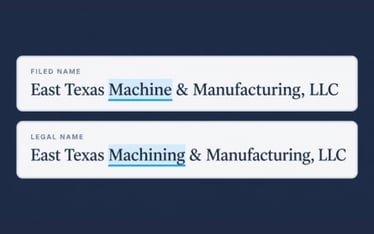
How UCC Name Errors Become Bankruptcy Risk
Real world example: How a Texas bankruptcy court voided a $500,000 security interest in 2026 because of a single word error in the debtor's name. Here's what creditors need to know.