
Skip to the main content.

1 min read

Podcast: How Price Escalation Clauses Protect Subcontractors

Podcast: How Price Escalation Clauses Protect Subcontractors

How Escalation Clauses Protect against Construction Cost Escalation 

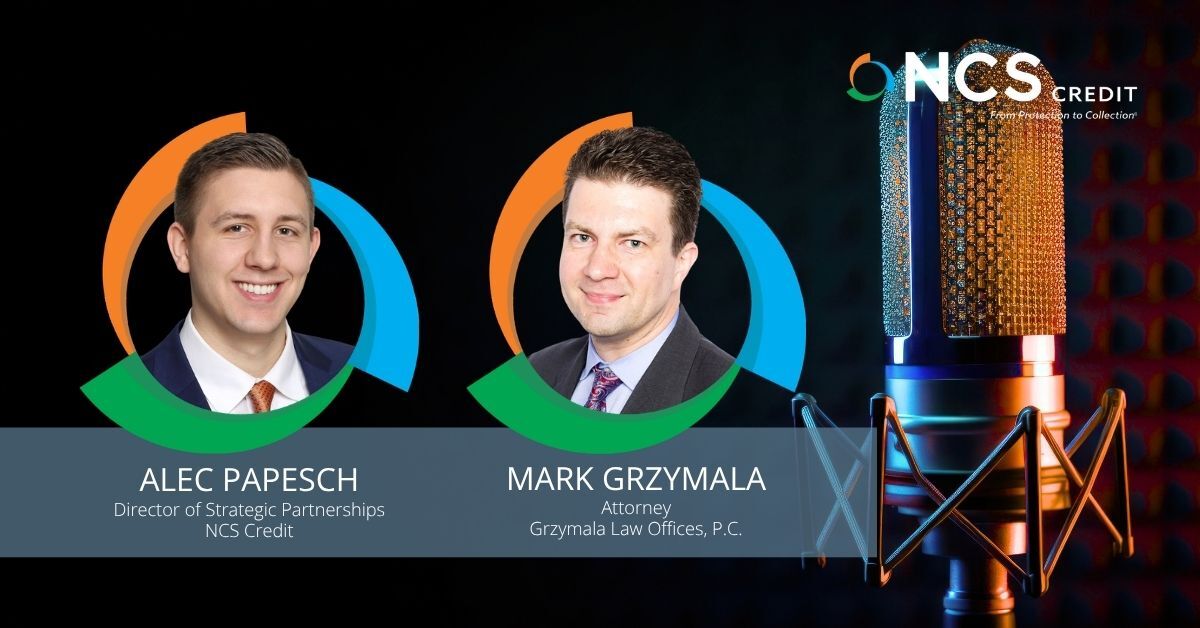
When material prices spike, subcontractors and material suppliers without the right contract language are often left absorbing the loss. In this episode of the NCS Credit podcast, host Alec Papesch sits down with Mark Gryzmala, founding attorney of Gryzmala Law Offices in Skokie, IL, to discuss what escalation clauses are, when they became essential, and how companies across the construction supply chain can use them to shift pricing risk before signing on the dotted line.

Construction cost escalation refers to the rise in material, labor, and equipment prices over the life of a project. Market volatility, inflation, and supply chain disruptions can all push costs beyond what was originally estimated, creating real budget risk for subcontractors and material suppliers. Price escalation clauses address this directly by building a threshold into the contract. When costs climb past that point, the contract price adjusts accordingly rather than leaving one party to absorb the difference. 

Key Aspects and Considerations You'll Learn

  • Know what an escalation clause does: These contract provisions allow the price to adjust upward when material, labor, equipment, or energy costs exceed a set threshold (typically around 3%). It's a risk shifting tool that moves that financial exposure to the GC or owner rather than leaving the subcontractor to absorb it.

  • Post-COVID and tariffs changed the game: Before COVID, escalation clauses were uncommon. Once lumber and drywall prices surged, they became essential. With tariff uncertainty continuing today, that need has only grown.

  • It can live in any contract document: Long-form contract, purchase order, estimate, or terms and conditions. The format matters less than having the provision in place.

  • GCs face the same risk: When a GC negotiates escalation protection with the owner, it becomes far easier for them to extend similar protections down to their subs.
  • Get legal review before you sign: Once a contract is executed, options are limited. A construction attorney can negotiate terms upfront and shift risk upstream before it becomes your problem.
  • Stay informed through your industry network: Knowing which materials are volatile in your trade helps you understand what contract protections you actually need.  

Tariffs, Rising Material Costs, and Contract Protections

From tariff uncertainty to raw material price swings, the construction industry is operating in an environment where pricing risk is constant. The right contract language, negotiated before you sign, can be the difference between a profitable project and one where you break even or worse. NCS Credit is committed to connecting subcontractors and material suppliers with the expertise they need to protect their businesses at every stage of a project.